Cloud & Devops

Devops Support

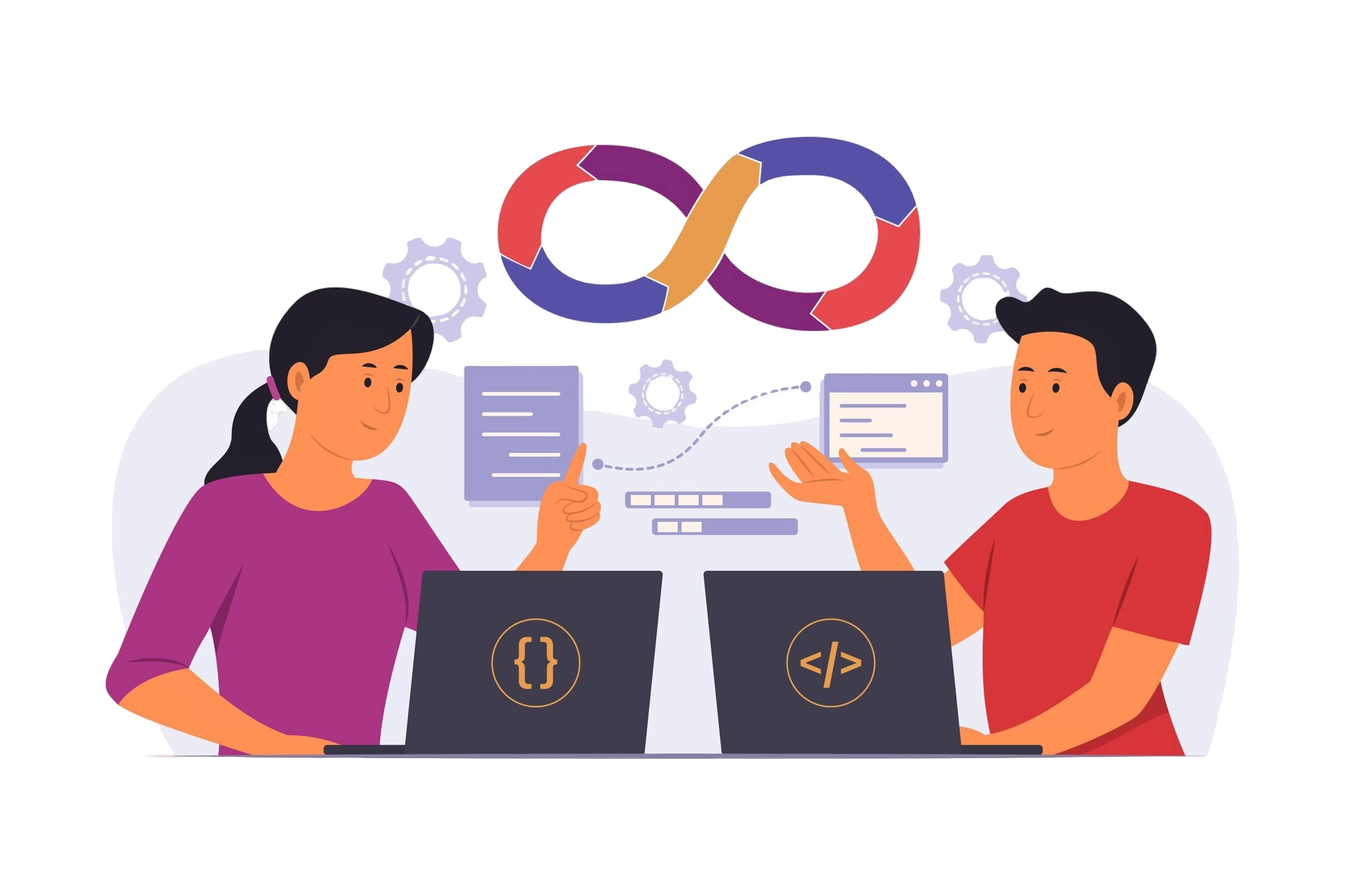
DevOps support focuses on streamlining the software development lifecycle, enhancing collaboration between development and operations teams, and ensuring efficient, reliable deployment of applications. Below is a comprehensive list of tasks involved in DevOps support:

img

1. Infrastructure as Code (IaC)

  • Configuration Management: Using tools like Terraform, Ansible, or CloudFormation to define and manage infrastructure.
  • Environment Provisioning: Automating the setup of development, staging, and production environments.
  • Version Control for Infrastructure: Maintaining IaC scripts in repositories like Git for better tracking and collaboration.

img

2. Continuous Integration and Continuous Deployment (CI/CD)

  • Pipeline Configuration: Setting up and managing CI/CD pipelines with tools like Jenkins, GitHub Actions, GitLab CI/CD, or Azure DevOps.
  • Build Automation: Automating application builds and artifact creation.
  • Deployment Automation: Streamlining deployments using tools like Spinnaker, Octopus Deploy, or native CI/CD tools.
  • Testing Integration: Including automated testing (unit, integration, and end-to-end tests) in pipelines.
img

3. Monitoring and Logging

  • Performance Monitoring: Setting up monitoring tools like Prometheus, Grafana, Datadog, or New Relic.
  • Log Management: Centralizing and analyzing logs with ELK Stack, Splunk, or Fluentd.
  • Alerting: Configuring alerts for application and infrastructure health to respond to issues proactively.
img

4. Containerization and Orchestration

  • Container Management: Building and managing Docker containers for applications.
  • Kubernetes Orchestration: Deploying and managing Kubernetes clusters for containerized applications using tools like Helm or Kustomize.
  • Scaling: Configuring auto-scaling policies for containers based on load or resource usage.
img

5. Cloud and On-Premises Infrastructure Support

  • Multi-Cloud Management: Managing workloads across cloud providers like AWS, Azure, and Google Cloud.
  • Hybrid Cloud Solutions: Integrating on-premises infrastructure with cloud platforms.
  • Resource Optimization: Monitoring and optimizing cloud costs and infrastructure usage.
img

6. Security and Compliance

  • Secrets Management: Managing sensitive data like API keys or credentials with tools like HashiCorp Vault, AWS Secrets Manager, or Azure Key Vault.
  • Policy Enforcement: Implementing policies for access control and resource usage.
  • Security in CI/CD: Adding security scans (e.g., SAST, DAST) to CI/CD pipelines using tools like SonarQube, Checkmarx, or Snyk.
  • Audit Logging: Ensuring compliance by maintaining logs of all infrastructure and application changes.
img

7. Collaboration and Communication

  • Documentation: Creating and maintaining detailed documentation for CI/CD pipelines, infrastructure, and processes.
  • Incident Communication: Collaborating with developers, QA, and operations teams during incident resolution.
  • Knowledge Sharing: Conducting training sessions or workshops on DevOps practices and tools.
img

8. Automation

  • Task Automation: Automating repetitive tasks like backups, deployments, and patch management.
  • Workflow Orchestration: Using tools like Airflow or Rundeck to automate complex workflows.
img

9. Incident Management and Troubleshooting

  • Root Cause Analysis (RCA): Investigating the causes of system or pipeline failures.
  • Proactive Monitoring: Detecting and resolving potential issues before they affect the application or infrastructure.
  • Disaster Recovery: Implementing and testing failover strategies and backups.
img

10. Scaling and High Availability

  • Auto-Scaling: Configuring infrastructure to scale based on traffic or usage.
  • Load Balancing: Using tools like NGINX, HAProxy, or cloud-native load balancers to distribute traffic.
  • High Availability: Implementing redundancy and failover mechanisms to ensure uptime.
img

11. Tools and Technology Management

  • Toolchain Optimization: Selecting and integrating tools for DevOps workflows.
  • Version Updates: Ensuring DevOps tools are up to date with the latest features and patches.
  • Plugin Development: Customizing tools or creating plugins/extensions for specific use cases.
img

12. Feedback and Improvement

  • Metrics Collectio: Gathering metrics on deployment frequency, failure rates, recovery times, and lead time for changes.
  • Retrospectives: Conducting retrospectives after incidents or releases to identify areas for improvement.
  • Continuous Improvement**: Iterating on processes to enhance speed, reliability, and efficiency.
img

13. Compliance and Governance

  • Policy Automation: Enforcing security and compliance policies using tools like OPA (Open Policy Agent).
  • Cost Governance: Monitoring and controlling cloud costs with tools like FinOps or native cloud cost managers.
img

14. DevOps Culture and Training

  • Culture Building: Promoting a culture of collaboration, shared responsibility, and automation.
  • Team Training: Conducting workshops on CI/CD, containerization, IaC, and other DevOps practices.
  • Feedback Loops: Encouraging continuous feedback between development, operations, and other teams.

DevOps support is an ongoing process that ensures smooth, automated, and secure delivery of applications and infrastructure. Let me know if you'd like a tailored list for specific tools or platforms!

Why Our Clients Trust Us?

Our shared, semi-dedicated, and dedicated support models deliver the flexibility, expertise, and reliability your business demands.

check 100% White Label
check 24/7/365 Support
check Credibility and Reliability
check 15 Days Free Trial
check On Demand Support
check Quick Setup Time(No Fee)
check Customer Centric Approach
check World Class Infrasteucture
check Information Security
check Cost Effective Solution
check Custom Plans
check Customer Delight
Whatsapp Floater Call Floater