Cloud & Devops

Securities Vulnerability Mitigation

Security and vulnerability mitigation in cloud environments is critical to ensuring the confidentiality, integrity, and availability of data and services. Here’s a detailed breakdown of the key practices and tasks involved:

img

1. Identity and Access Management (IAM)

  • Least Privilege: Enforce least-privilege access for all users, roles, and services.
  • Multi-Factor Authentication (MFA): Require MFA for administrative and critical accounts.
  • Role-Based Access Control (RBAC): Assign roles to users based on their job responsibilities.
  • Service Accounts Management: Secure and rotate service account keys, and limit their access.
img

2. Network Security

  • Network Segmentation: Use Virtual Private Clouds (VPCs), subnets, and security groups to isolate sensitive workloads.
  • Firewall Rules: Configure fine-grained inbound and outbound traffic rules.
  • Zero Trust Architecture: Implement a zero-trust security model using identity-aware proxies or access controls.
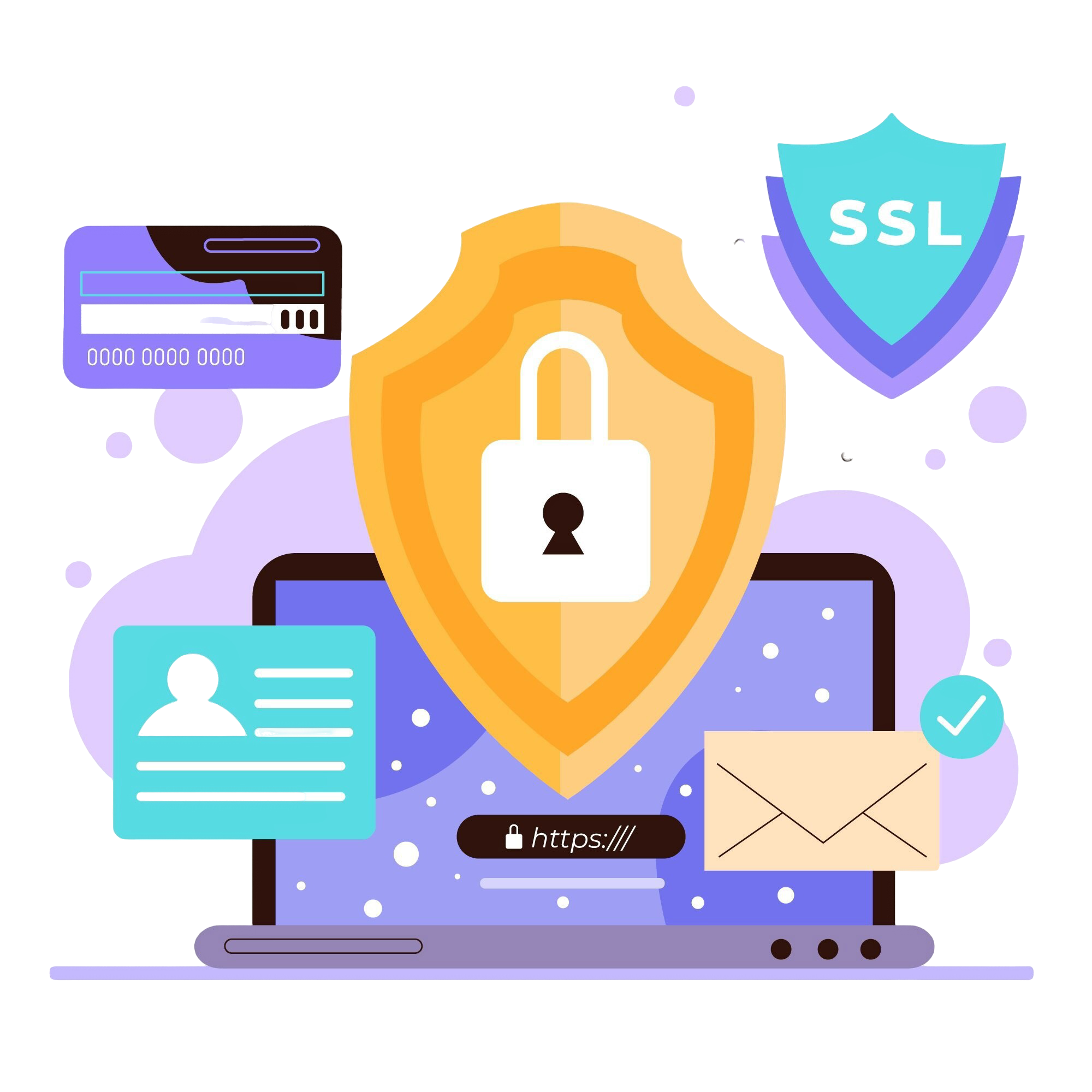
  • Encryption in Transit: Use HTTPS, TLS, or VPNs to secure data in transit.
img

3. Data Protection

  • Encryption at Rest: Enable encryption for all storage solutions, including databases, object storage, and persistent disks.
  • Key Management: Use managed key management services like AWS KMS, Azure Key Vault, or Google Cloud KMS.
  • Data Loss Prevention (DLP): Monitor and prevent the exposure of sensitive data using cloud-native or third-party DLP tools.
  • Backup Security: Encrypt backups and ensure they are stored securely, preferably in a different region.
img

4. Patch Management

  • Automated Patching: Enable automatic updates for managed services and operating systems where applicable.
  • Custom Workloads: Regularly apply security patches to custom workloads (e.g., containers, VMs).
  • Vulnerability Scanning: Use tools like AWS Inspector, Azure Defender, or GCP Security Command Center to identify and mitigate vulnerabilities.
img

5. Threat Detection and Monitoring

  • Cloud-Native Security Tools: Leverage tools like GuardDuty (AWS), Microsoft Defender for Cloud (Azure), or Security Command Center (GCP) for threat detection.
  • Log Analysis: Enable logging services (e.g., CloudWatch, Azure Monitor, or Google Cloud Logging) and analyze logs for suspicious activities.
  • Intrusion Detection: Use IDS/IPS solutions to monitor for unauthorized access and attacks.
img

6. Application Security

  • Secure Coding Practices: Ensure developers follow secure coding guidelines and avoid vulnerabilities like injection attacks.
  • Web Application Firewalls (WAF): Deploy WAFs to protect applications from common exploits like SQL injection and XSS.
  • CI/CD Security: Integrate security scanning tools into CI/CD pipelines to identify vulnerabilities early.
  • Container Security: Use image scanning tools (e.g., Trivy, Aqua Security) and runtime protection for containerized applications.
img

7. Governance and Compliance

  • Cloud Policies: Define and enforce security policies using tools like AWS Config, Azure Policy, or GCP Organization Policy Service.
  • Compliance Frameworks: Align cloud configurations with industry standards like ISO 27001, GDPR, HIPAA, and PCI DSS.
  • Audits: Perform regular security audits to ensure compliance and uncover potential risks.
img

8. Incident Response and Recovery

  • Incident Response Plan: Develop a robust incident response plan tailored to cloud environments.
  • Automated Alerts: Set up alerts for unusual activities like unauthorized logins or changes to critical resources.
  • Forensics: Use tools like AWS CloudTrail, Azure Activity Log, or GCP Audit Logs for forensic investigations.
  • Disaster Recovery (DR): Implement DR plans with defined RPOs (Recovery Point Objectives) and RTOs (Recovery Time Objectives).
img

9. Third-Party Security Tools

  • Extended Detection and Response (XDR): Use tools like Palo Alto Prisma Cloud, Check Point CloudGuard, or CrowdStrike.
  • Vulnerability Management: Employ tools like Qualys, Tenable, or Rapid7 for in-depth vulnerability assessments.
  • SIEM Integration: Integrate logs with Security Information and Event Management (SIEM) tools like Splunk, Datadog, or Azure Sentinel.
img

10. Training and Awareness

  • Employee Training: Regularly train employees on cloud security best practices and phishing awareness.
  • Developers: Conduct security training for developers focusing on secure coding and deployment practices.
  • Simulations: Run tabletop exercises or simulations to test the organization’s incident response readiness.
img

11. Continuous Improvement

  • Penetration Testing: Conduct regular pentests on cloud workloads to identify weaknesses.
  • Security Updates: Stay updated on the latest security advisories and patches from cloud providers.
  • Feedback Loop: Continuously improve based on lessons learned from incidents or audits.

By implementing these strategies, you can proactively address vulnerabilities and strengthen the security posture of cloud environments.

Why Our Clients Trust Us?

Our shared, semi-dedicated, and dedicated support models deliver the flexibility, expertise, and reliability your business demands.

check 100% White Label
check 24/7/365 Support
check Credibility and Reliability
check 15 Days Free Trial
check On Demand Support
check Quick Setup Time(No Fee)
check Customer Centric Approach
check World Class Infrasteucture
check Information Security
check Cost Effective Solution
check Custom Plans
check Customer Delight
Whatsapp Floater Call Floater